Nepal’s Development Depends on Skilled Youth
Powering Nepal’s Future: Skilled Youth and Electrical Engineering Hold the Key to National Development
As Nepal pushes toward economic modernization, one challenge continues to overshadow its development ambitions: the shortage of technically skilled human resources. While the country possesses enormous potential in hydropower, infrastructure, renewable energy, and industrial expansion, experts warn that sustainable growth will remain difficult without significant investment in vocational and technical education.
Among the sectors gaining increasing importance is electrical engineering — a field now central to Nepal’s evolving economy. From hydropower transmission systems and urban infrastructure to solar energy, telecommunications, manufacturing, and electric mobility, demand for trained electrical professionals is rising rapidly both within Nepal and across international labor markets.
For decades, thousands of Nepali youths have migrated abroad in search of employment, often working in low-skilled sectors despite their potential. Education leaders argue that strengthening technical institutions and promoting practical engineering education could transform this trend by preparing young people for higher-paying, skill-based employment opportunities at home and overseas.
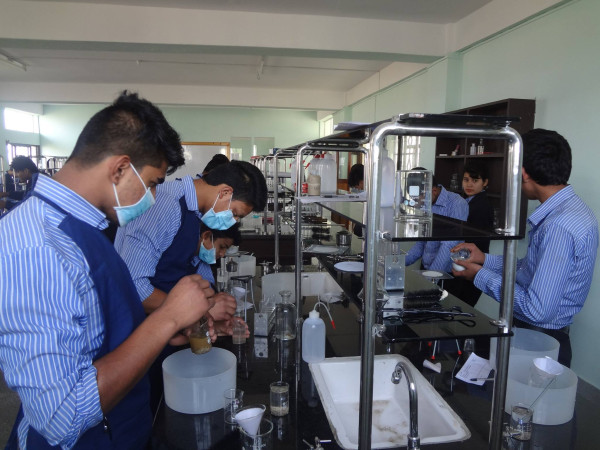
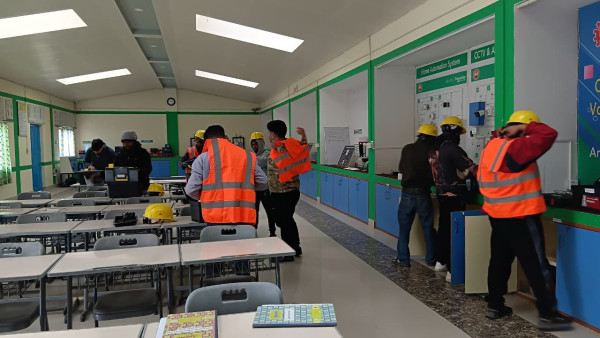
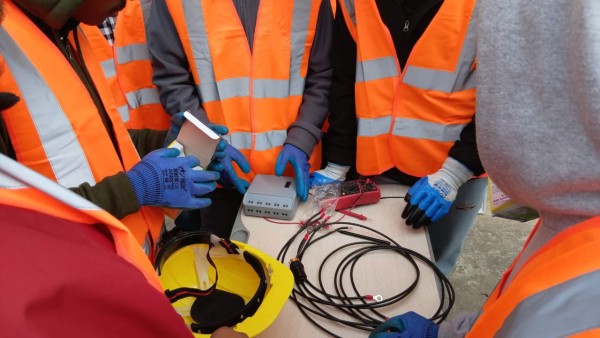
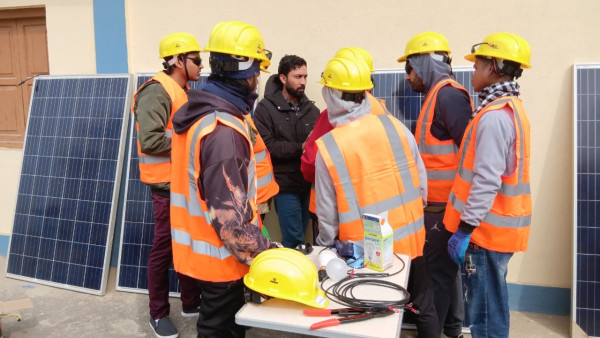
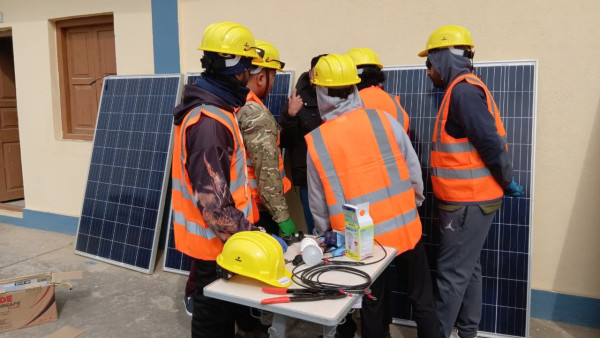
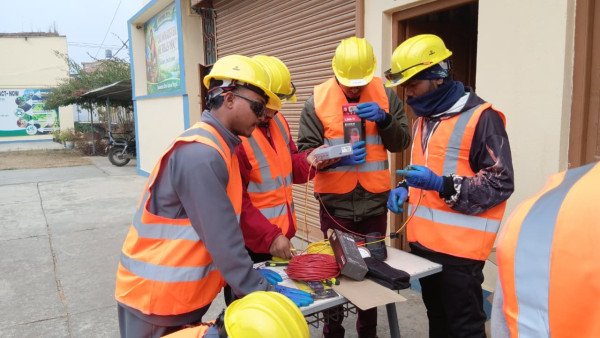
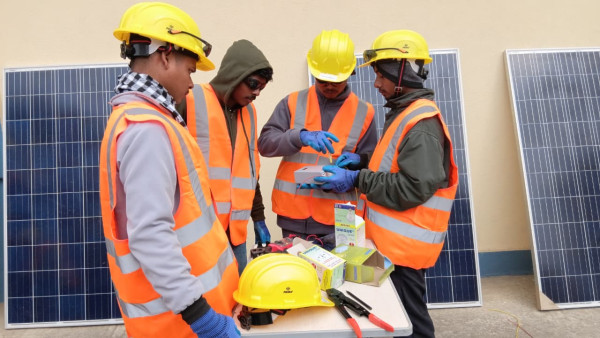
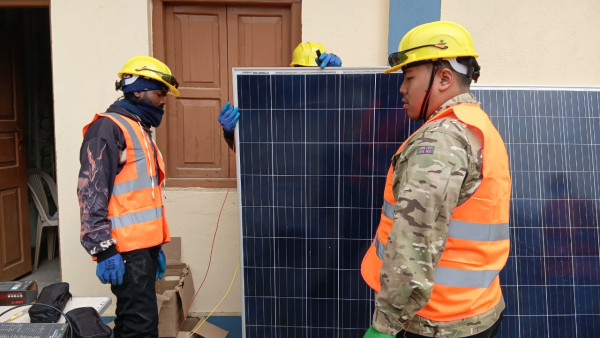
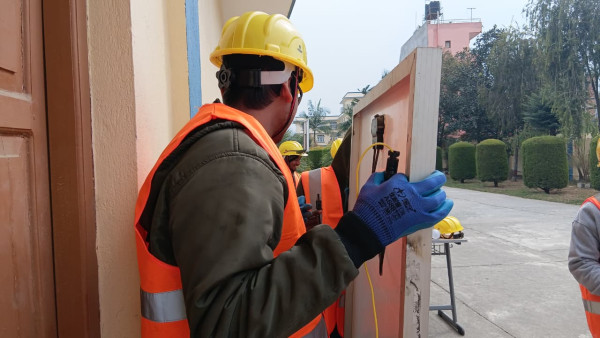
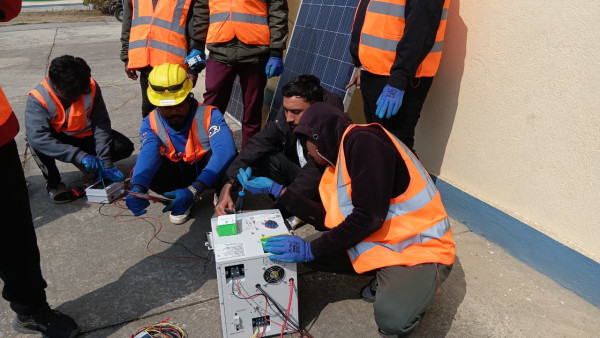
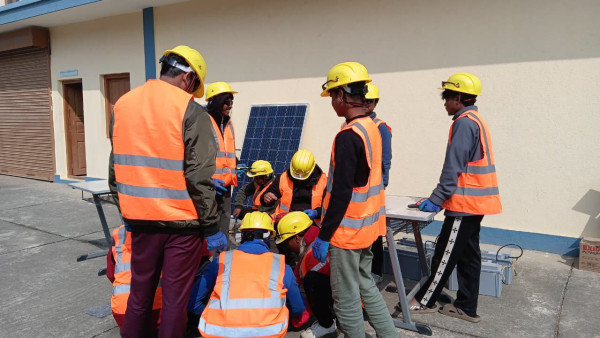
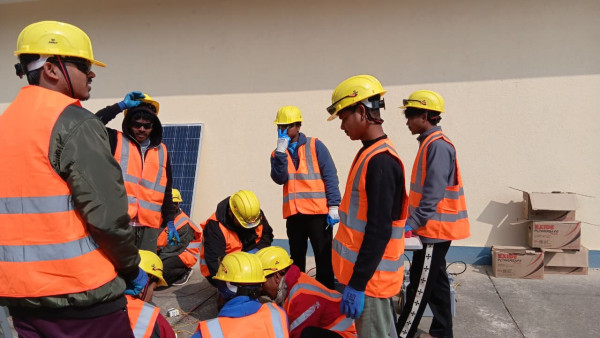
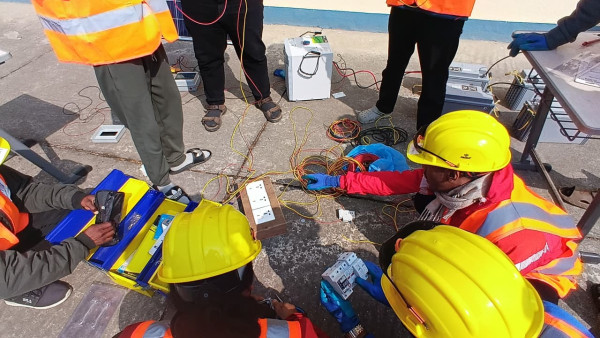
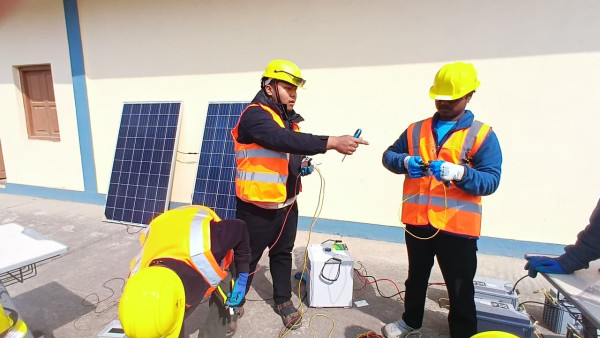
Technical institutes such as Don Bosco Institute Thecho are part of a growing movement focused on industry-oriented education. Their Diploma in Electrical Engineering program emphasizes hands-on training, workplace discipline, and real-world technical competence — qualities increasingly sought after by employers in Nepal’s construction, energy, manufacturing, and infrastructure sectors.
The stakes are particularly high for Nepal as the country accelerates investment in hydropower and renewable energy. With ambitious plans to expand electricity production and regional energy trade, the need for skilled electrical technicians, engineers, and maintenance professionals is expected to grow substantially over the next decade. Experts say this demand could create thousands of employment opportunities if Nepal succeeds in developing a capable domestic workforce.
Beyond economic benefits, technical education is increasingly viewed as a social necessity. Youth unemployment and underemployment continue to challenge Nepal’s social and economic stability, especially in rural and semi-urban communities. Advocates believe that vocational education can provide not only employment, but also dignity, entrepreneurship, and long-term social mobility for young people.
For Nepal, the message is becoming clear: national development cannot rely solely on policy ambitions or foreign investment. It requires skilled youth capable of building, maintaining, and innovating the infrastructure of the future. In that effort, electrical engineering education may prove to be one of the country’s most strategic investments.